

What is HPV?

HPV is a virus contracted through skin-to-skin sexual contact, is very infectious, and is spread via sexual activity.

How does HPV increase cancer risk?

• HPV infection increases the risk of oral cancer
• HPV is likely the cause of oral cancer not linked to tobacco or alcohol
• Specific HPV types carry higher risk

How does HPV spread?

Anybody who has ever been sexually active is at risk of contracting HPV. People come into contact with this virus, through any skin-to-skin sexual contact below the waistline with fingers, mouths, or other body parts, including genital-to-genital contact, anal intercourse, and oral sex… even without penetration.

HPV type 16

Strongly increases the risk of oral cancer

HPV type 18

May also increase risk of oral cancer

Other HPV types

Many types cause warts; oncogenic risk varies by type

Genital Warts

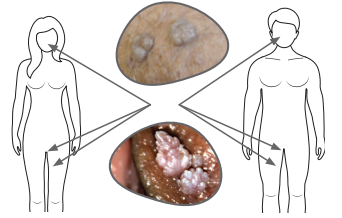
• Small raised lumps that can grow in clumps or alone. Usually painless, but may cause itching, or slight bleeding

• Can be found anywhere from the waist down to the knees, front and back of a person’s body and in the mouth

• Even if you have the virus, it can take many months or years before warts appear

• You can still give HPV without having the physical signs of genital warts

As of February 2025: Throat (oropharyngeal) cancer is now the most common type of HPV-related cancer in Canada.

Incidence and mortality:

Incidence is the total number of new cases of cancer. Mortality is the number of deaths due to cancer. Cancer statistics are currently collected, analyzed and reported based on the sex assigned at birth, with male/men and female/women categories. We need to address gaps in how statistics are collected to better understand cancer in transgender, non-binary and gender-diverse people.

8,100

people in Canada will be diagnosed with head and neck cancer

2,200

people in Canada will die from head and neck cancer

1,600

men will die from it

620

women will die from it

Diagnoses with head and neck cancer (estimated 2025):

Men
5,800 72%
Women
2,300 28%

Oropharyngeal cancer rates are up to 5× higher in men than women.

HPV-positive oropharyngeal cancer: a rising trend

2000
47%
2012
74%
In Canada, the prevalence of HPV-positive oropharyngeal cancer rose from 47% to 74% in 2012, with more men than women showing a greater rate of increase.